
The 2025 Barkley Marathons Recap
Conquering the Unconquerable: The 2025 Barkley Marathon
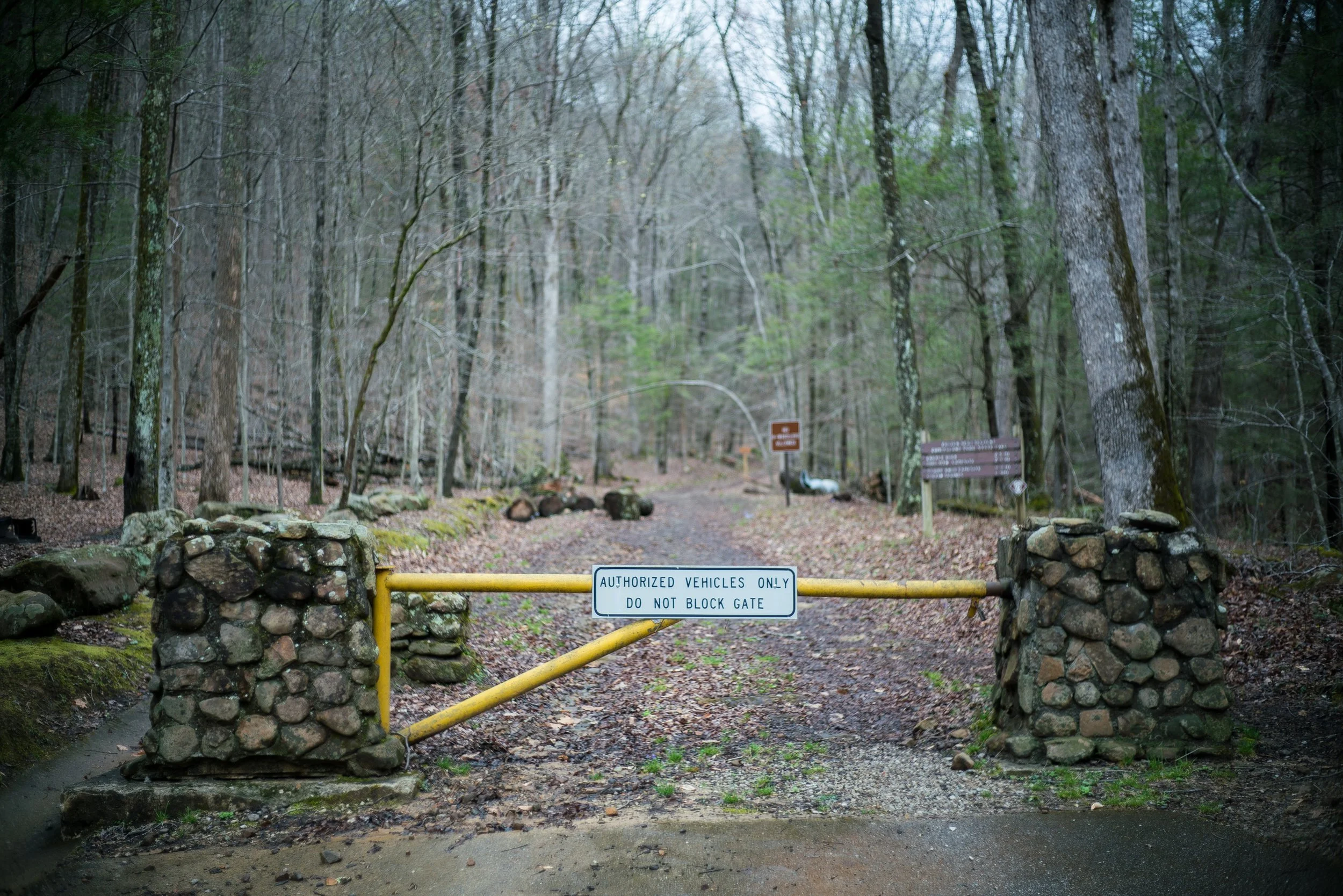
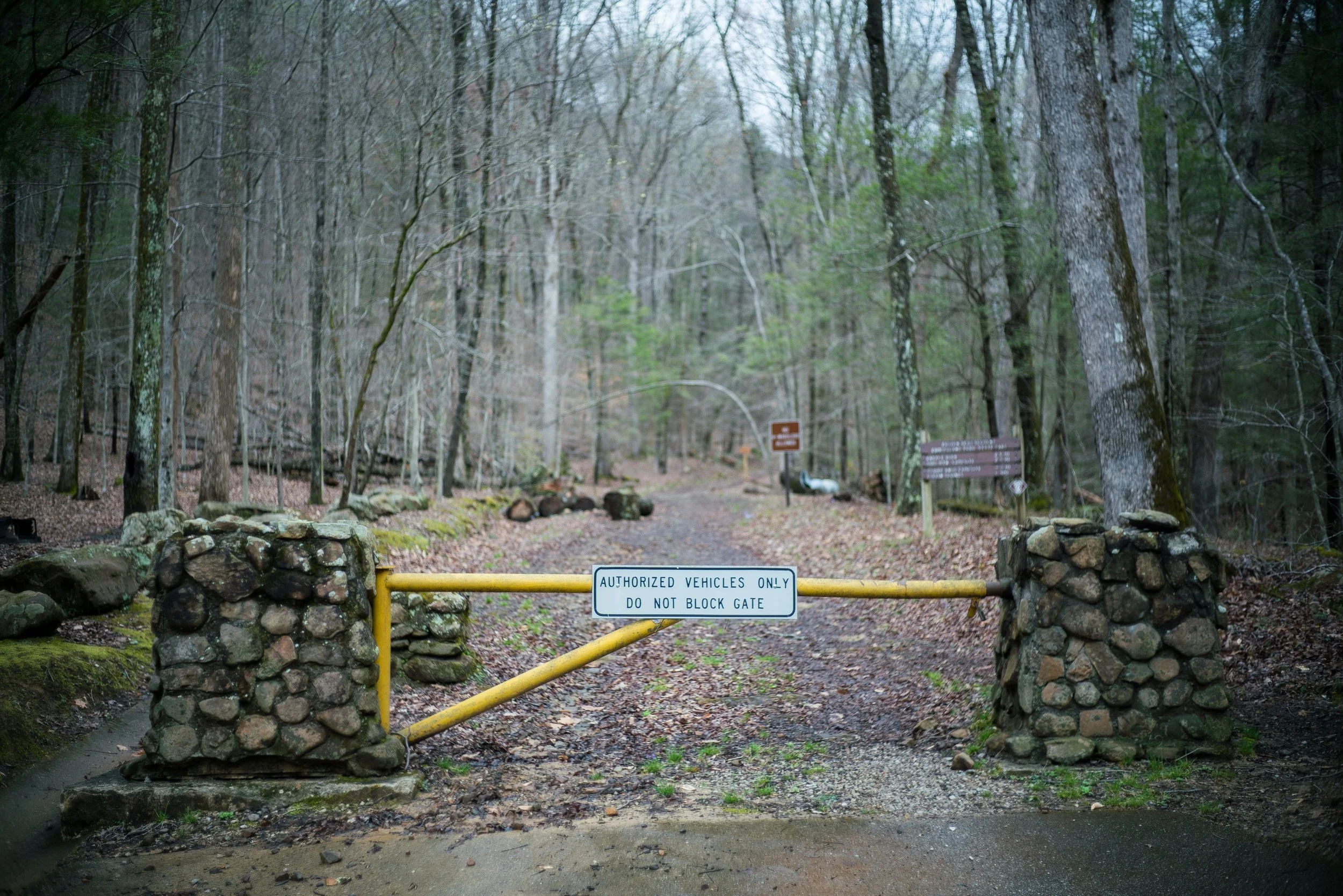
All runners start at the famous “Green Gate” and can only stop the clock on each lap, by touching it on their return.
The Barkley Marathons: an enigma wrapped in thorns, a race that defies most peoples logic and reason, and an event where simply surviving is an achievement inself. The 2025 edition was no different, testing the world’s toughest endurance runners through unforgiving terrain, mind-bending navigation, and a brutal ticking clock. Here’s how it all unfolded.
For those unfamiliar, the Barkley Marathons is not your typical ultramarathon. Hosted in Frozen Head State Park, Tennessee, it consists of five 20+ mile loops, totaling over 100 miles with more than 60,000 feet of elevation gain where runners must complete the race within 60 hours, with minimal aid and no marked trails. With a start time announced only an hour in advance and entry granted through an obscure application process, it is as much, if not more, a psychological battle as it is a physical one.
Potential entrants must send an email with their entry form, which includes bizarre and irrelevant questions to an unpublished address at the correct time along with a $1.60 application fee. The entry form will have questions such as "What is the most important vegetable group?", "What will be the 119th element on the periodic table?" and "Write the Gettysburg Address in Sawveh". This is followed by a written essay on "Why I Should be Allowed to Run in the Barkley." Only after this are runners accepted and given the date (but not start time) of the race.

Gary Cantrell, better known as ‘Laz’ Lazarus Lake
2024 saw an uprecidented 5 race finishers meaning the race organiser Gary Cantrell, better known as Lazarus Lake or just ‘Laz’, decided to up the anti by pushing the event into the middle of March when it would be colder, wetter, windier, foggier and just all round nastier, making it not only harder to navigate, but also psycholgically more intense.
On top of the inclement weather Laz made this years course take in even more off-trail bushwhacking as well as muddier slopes, dense woodland brush and steep relentless climbs that tested, drained and ultimately beat all 40 entrants to this years event.
So, at 11:37am local time on Tuesday 18 March, to signify the start of the event, Laz lit his cigarette one hour after blowing a conch to mark the countdown to the start of the race and all 40 entrants set off to begin lap one, with the 12 hour cut off clock starting its journey alongside them. 30 competitors would fall at the first hurdle and not make it back within the alloted time with only 4 of the remaining 10 completing the second loop, John Kelly (USA), Tomokazu Ihara (Japan), Maxime Gauduin (France), and Sébastien Raichon (France).
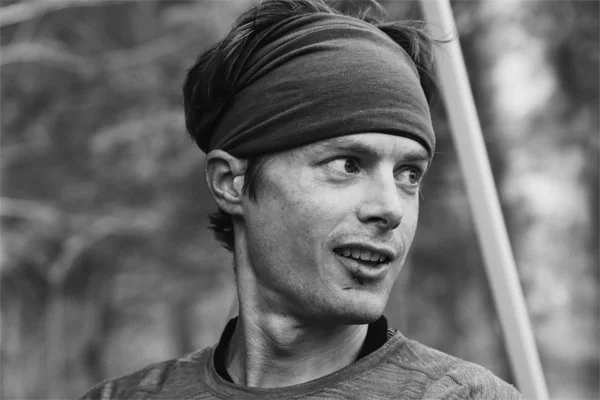
3 time finisher, John Kelly
These 4 would drop down to one with only the only athlete to ever finish the Barkley Marathons 3 times, John Kelly who this year could only finish 3 of the 5 laps within the 40-hour cutoff, finishing in 39 hours, 50 minutes, and 27 seconds being awarded the Barkley “Fun Run” trophy, showing just how much harder this years course was.
This year didn’t see the return of the first ever woman to finish the Barkley, Jasmin Paris, who’s reasons for not entering this years event have not been publicly disclosed. However, in March 2025, she participated in the Haworth Hobble, supporting her husband and engaging with the running community. Additionally, she was featured in a documentary titled "The Finisher," which chronicles her historic 2024 Barkley Marathons finish. These commitments may be some of the reasons why she decided not to compete.
The 2025 Barkley Marathons once again proved why it stands as one of the most formidable endurance challenges in the world. With no finishers this year, the race continues to uphold its near-mythical reputation, pushing athletes to their absolute limits and beyond. Will 2026 see another finisher, or will the course chew up and spit out all the challengers once again? One thing is certain: the legend of the Barkley Marathons only grows stronger and still remains an ultimate test of human resilience, strategy, and sheer willpower
What are your thoughts on this year’s race? Would you ever attempt the Barkley Marathons? Share your comments below!
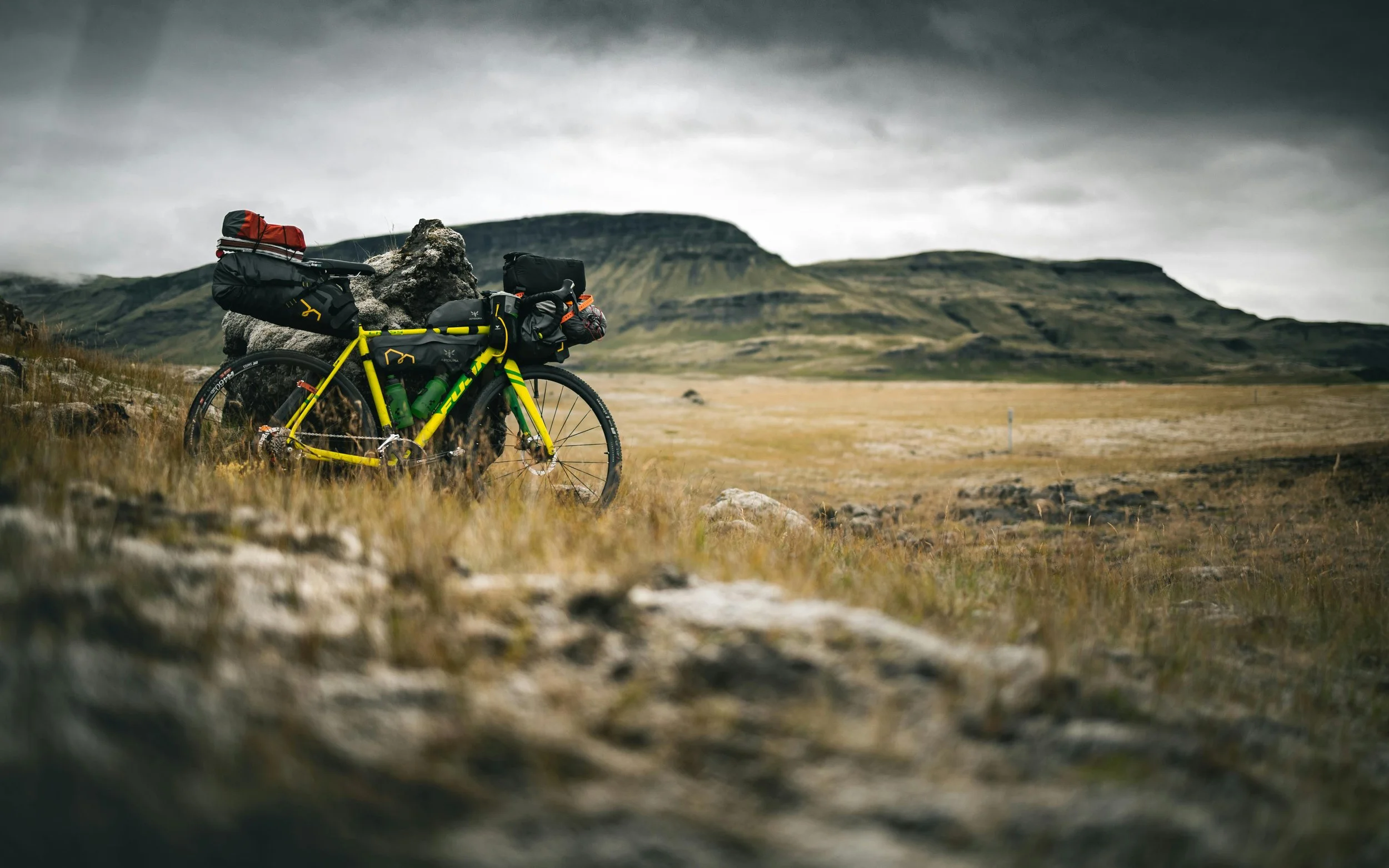
Top 10 Most Grueling Unsupported Bike Races in the World
The worlds toughest unsupported bike races
You have to be made of something a bit different to even be thinking about doing one of these races - they are not for the feint hearted.
We’ve looked at what we think are the top 10 hardest, both mentally and physically, unsupported bike races in the world.
10.
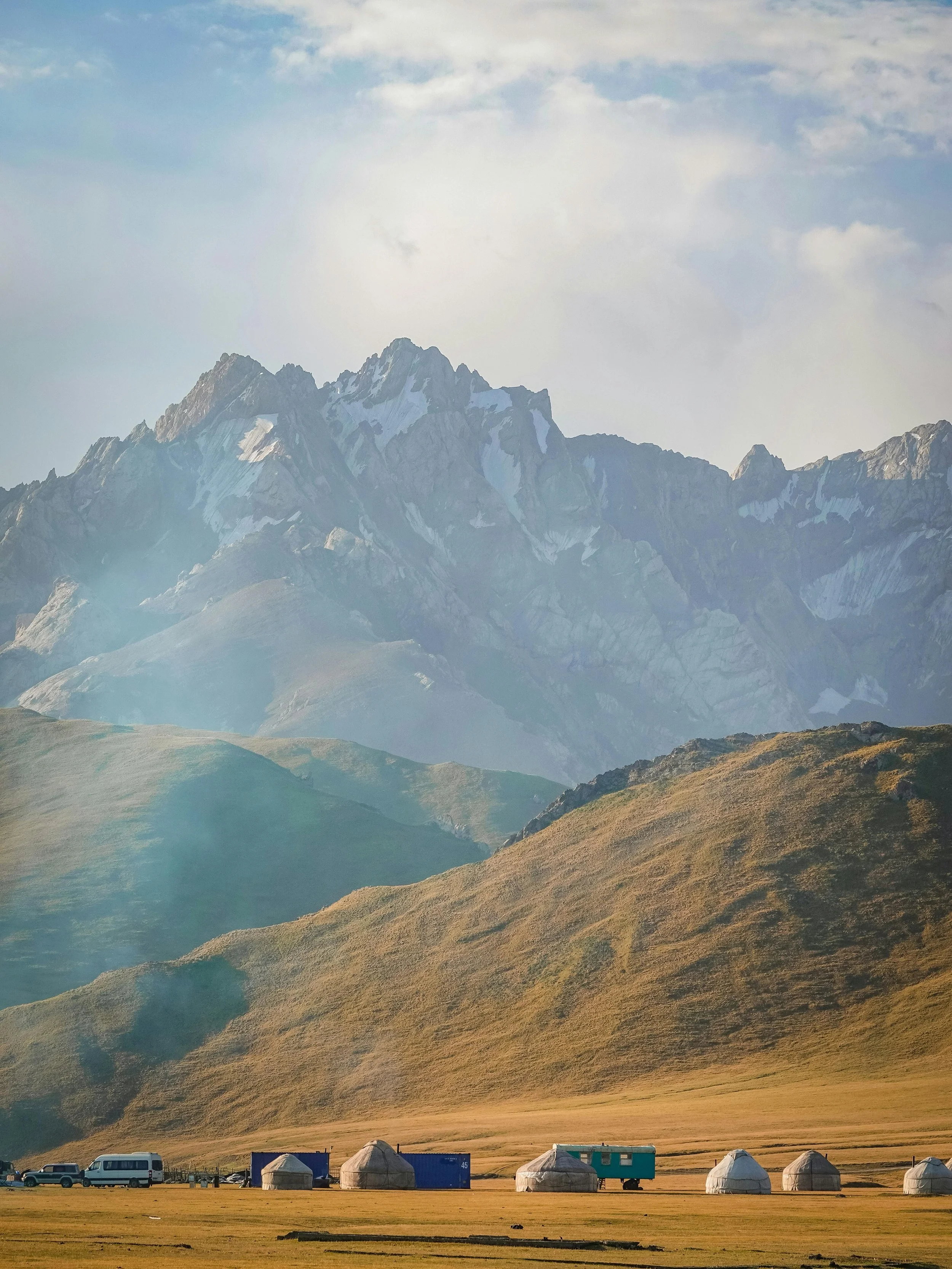
The Silk Road Mountain Race is as epic as it is insane – a truly brutal, self-supported challenge through the rugged mountains of Kyrgyzstan. Spanning 1,900 kilometers and over 30,000 meters of climbing, this race takes riders across a mix of gravel roads, single and double tracks, and crumbling Soviet-era paths, with very little paved road to speak of. With just 14 days to complete the course, competitors must navigate a series of checkpoints – not for rest or resupply, but simply to mark progress. There’s no support at these stops, and riders are responsible for carrying everything they need for the duration of the race. Along the way, they’ll face remote wilderness, grueling mountain passes that often demand a "hike-a-bike" approach for long stretches, and weather that can change without warning. This is not just a race; it’s an unforgiving adventure that tests both endurance and resolve at every turn.
9.
The Transcontinental Race (TCR), established in 2013 by Mike Hall, has quickly become one of the most prestigious events in ultra-endurance cycling. Each year, the race offers a unique route, typically spanning around 4,000 kilometers and featuring a staggering 40,000 to 50,000 meters of elevation gain. Riders face some of Europe’s most challenging climbs, including iconic ascents like Col du Galibier, Mont Cenis, and the Carpathian Mountains. These towering elevations make the TCR not just a test of stamina, but a grueling endurance challenge that demands meticulous pacing, strategic recovery, and the ability to navigate high-altitude conditions on top of the immense distance. The brutal climbs and varied terrain are central to the race’s reputation as one of the most punishing cycling events in the world.
Much like the Silk Road Mountain Race, participants in the TCR must be entirely self-sufficient, carrying all necessary gear and sourcing food and shelter independently. External assistance, whether from family, friends, or support vehicles, is strictly forbidden—even at the mandatory checkpoints. This self-supported nature ensures that only those fully prepared for the harsh realities of ultra-endurance racing can compete. As a result, there is a rigorous selection process to ensure that participants have the experience and resilience needed to tackle the immense physical and mental challenges ahead.
8.
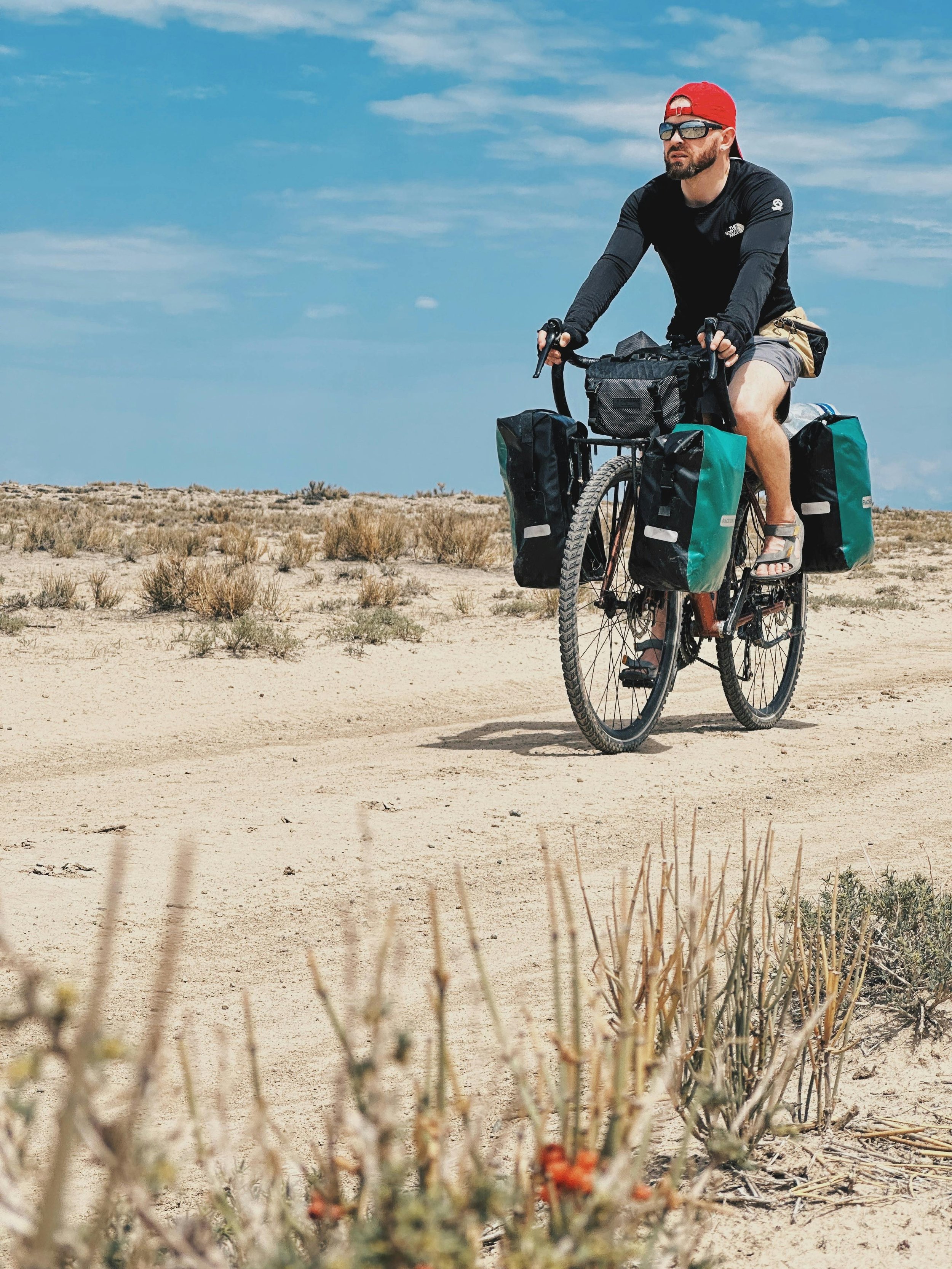
The Tour Divide follows the Great Divide Mountain Bike Route, the longest off-road bike trail in the world. Starting in Banff, Canada, and finishing in Antelope Wells, New Mexico, this epic route spans over 4,300 kilometers and features a staggering 60,000 meters of elevation gain. It's a true test of endurance, attracting both amateur riders and seasoned professionals alike. Competitors race solo, with categories for male, female, veteran, and novice riders.
Unlike other ultra-distance races such as Badlands and the Transcontinental, any cyclist can tackle the Tour Divide at any time of year. There are no entry fees or requirements that need to be met to take part. That said, there is an official Grand Depart on the second weekend of June each year, where most riders choose to begin the race to experience the camaraderie of starting together.
The terrain along the route is as varied as it is challenging, taking riders through remote wilderness, national forests, mountain ranges, deserts, and small towns. It’s weeks of riding on dirt roads, gravel tracks, and singletrack trails, with a few stretches of smooth roads offering sweet relief. The towns along the way play a crucial role, not just in resupplying riders but also in helping them survive. Daytime temperatures can soar into the mid-30s Celsius, making hydration a key part of any rider’s pacing strategy. But it’s not just the heat that riders need to contend with. As they climb through the mountain ranges, temperatures can plunge as low as -5°C. Weather conditions can change in an instant, with storms rolling in and cold fronts causing temperatures to drop rapidly, even in the middle of summer.
The race operates in a time trial format, meaning riders start individually and race against the clock. There are no team categories, and riders compete to finish the route in the fastest time possible, with no fixed start time once the official race begins. The race can take anywhere from 10 days to several weeks to complete, depending on the rider’s fitness and race strategy. The current fastest known time is just under 13 days, setting the bar for what’s possible in this grueling challenge. 😯
7.
The ABSA Cape Epic is a multi stage race and is often referred to as the “Tour de France of mountain biking” and is spread out over 8 days covering over 600km and 16,500m of climbing in total. While the course changes every year, you can be sure it will feature technical trails, rocky climbs, singletrack, steep descents, and remote terrain and will take you through vineyards, mountain ranges, and bushland. Unlike the other races mentioned here, this is a team race (split into categories of men, women, mixed, masters (40+), and grand masters (50+)) with riders competing in teams of 2 with both members of the team having to remain within a 2 minute window of each other. Riders are responsible for their own bike repairs and maintenance during the race, though limited technical assistance is available at a few designated points with time penalties being issued for rule violations, including separation of team members.
Oh yeah… and if you fancy doing any of these, don’t forget to take a warm hat 👌
Photos by Marek Piwnicki and TheErl